
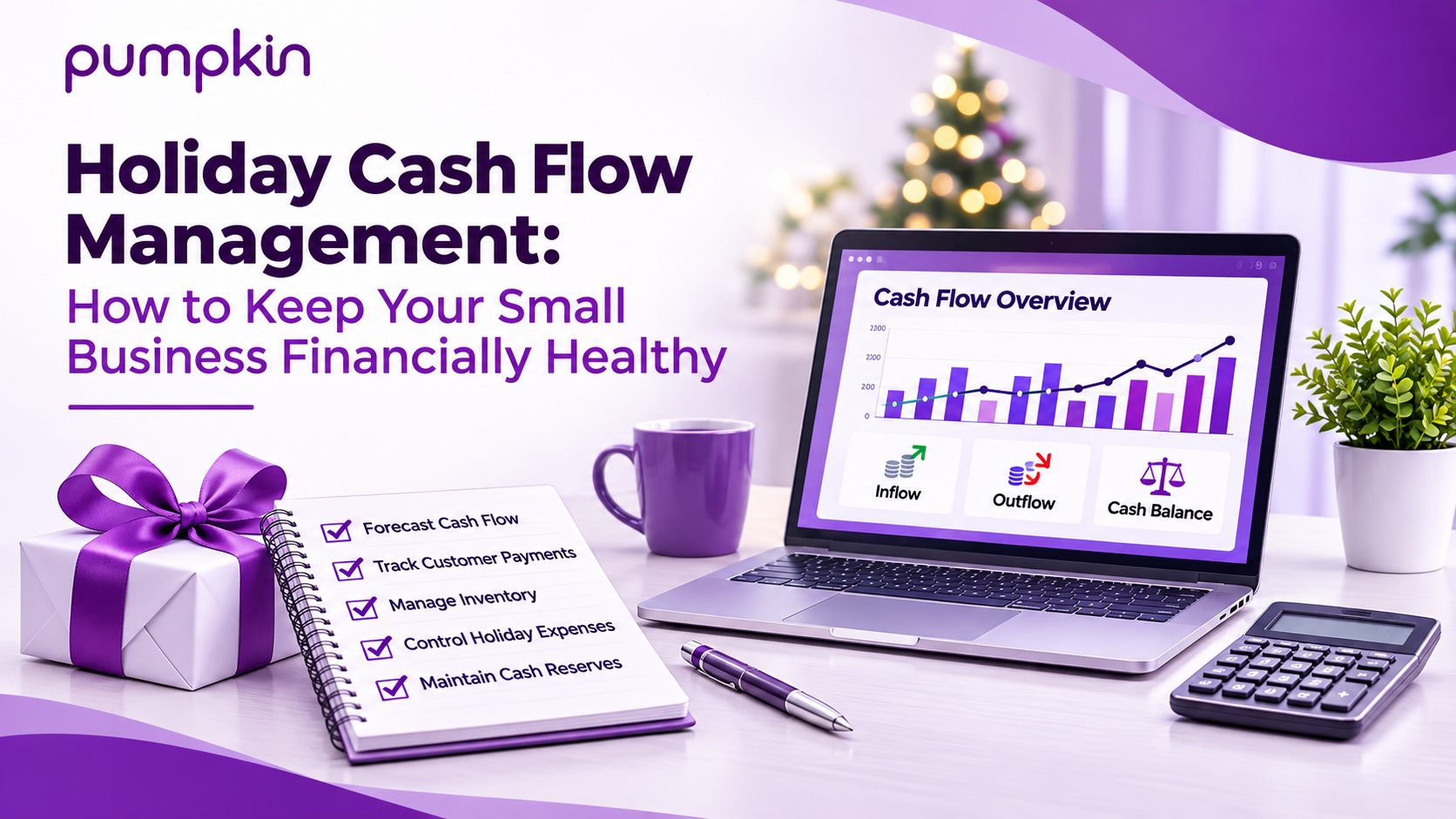
 The holiday season can be an exciting time for small businesses. Increased customer demand, seasonal promotions, and year-end purchasing can create opportunities to grow revenue. However, the same period can also bring higher operating expenses, delayed customer payments, additional payroll costs, and unexpected financial pressure.
For small business owners, managing holiday cash flow is about more than increasing sales. It means ensuring that enough money is available to cover essential expenses, pay employees, manage supplier relationships, and prepare for the upcoming year.
Whether you operate a retail store, restaurant, consulting business, or service-based company in Houston, Texas, or elsewhere in the United States, having a clear cash flow plan can help you navigate seasonal changes with greater confidence.
What Is Cash Flow Management for Small Businesses?
Cash flow management is the process of monitoring the money entering and leaving a business. It helps business owners understand whether they have enough available cash to meet their financial obligations.
Cash inflows may include customer payments, sales revenue, loan proceeds, and other receipts. Cash outflows may include payroll, rent, inventory purchases, utilities, insurance, loan payments, and taxes.
A business can be profitable but still experience cash flow problems. For example, a company may record a large sale in November but not receive payment until January. Meanwhile, it may need to pay suppliers and employees in December.
This is why cash flow management is particularly important during the holiday season.
The Federal Deposit Insurance Corporation (FDIC) highlights the importance of planning for seasonal fluctuations, maintaining cash reserves, and managing business costs.
Why Holiday Cash Flow Planning Matters
Holiday business activity often changes the timing of both revenue and expenses.
Retailers may need to purchase additional inventory before the busiest shopping weeks. Restaurants may experience higher food costs and staffing requirements. Service businesses may face slower customer payments because clients are managing their own year-end budgets.
These changes can create a mismatch between when money comes in and when it needs to go out.
A holiday cash flow plan helps businesses:
-
Prepare for seasonal revenue fluctuations.
-
Avoid unexpected shortages of operating cash.
-
Manage inventory and supplier payments.
-
Plan payroll and employee-related expenses.
-
Set aside funds for taxes and other obligations.
-
Start the new year with better financial visibility.
7 Holiday Cash Flow Management Strategies for Small Businesses
1. Create a Holiday Cash Flow Forecast
A cash flow forecast estimates how much money your business expects to receive and spend over a specific period.
Start by reviewing your previous holiday seasons. Look at sales trends, customer payment patterns, payroll expenses, inventory costs, and other major transactions.
Then prepare a forecast covering November, December, and the beginning of the following year.
Include expected customer receipts, operating expenses, supplier payments, payroll, loan obligations, and tax payments.
For example, a business may expect $40,000 in December sales but only $25,000 in customer payments before the end of the month. If its expenses total $30,000, it could experience a cash shortage despite reporting strong sales.
A forecast helps identify these gaps before they become urgent.
2. Monitor Customer Payments and Outstanding Invoices
Late customer payments can create significant cash flow pressure during the holiday season.
Review outstanding invoices and identify which customers have overdue balances. Send reminders before payment deadlines and establish clear payment terms for new projects.
For service businesses, consider requesting deposits or milestone payments where commercially appropriate.
For example, a consulting firm may request an initial payment before starting a project and collect the remaining amount upon completion.
Consistent invoice tracking helps reduce uncertainty and makes it easier to plan upcoming expenses.
3. Manage Inventory and Holiday Purchasing
Retailers and product-based businesses often increase inventory before the holiday season. However, purchasing too much inventory can tie up cash that may be needed for other expenses.
Review historical sales data, current inventory levels, supplier lead times, and expected customer demand before placing large orders.
Identify fast-moving products and prioritize purchases that are likely to generate revenue.
Avoid making inventory decisions based only on optimistic sales projections. Consider what may happen if demand is lower than expected or products remain unsold after the holidays.
A balanced inventory strategy can help protect working capital while supporting customer demand.
4. Review Holiday Expenses and Operating Costs
Holiday promotions, advertising campaigns, employee celebrations, decorations, and temporary staffing can increase business expenses.
Review your planned spending and determine which activities support your business objectives.
For example, a promotional campaign may be worthwhile if it generates profitable sales. However, an expensive campaign that produces limited customer activity may create unnecessary cash flow pressure.
Create a holiday spending budget and compare actual expenses with planned amounts regularly.
Also, distinguish between business expenses and personal spending. Maintaining separate business accounts and accurate records makes financial reporting and tax preparation easier.
5. Plan Payroll and Employee Costs
Businesses may need additional employees, overtime, temporary staffing, or holiday-related benefits during the busy season.
Estimate payroll expenses in advance, including applicable employer taxes and other employee-related costs.
Review staffing requirements based on expected demand. If your business experiences seasonal fluctuations, consider whether temporary staffing or adjusted schedules may help manage costs without affecting customer service.
Make sure funds are available for payroll when payments are due.
Businesses that need support with payroll processing and reporting can explore Pumpkin Tax Co's services.
6. Build and Maintain a Cash Reserve
A cash reserve provides a financial cushion for unexpected expenses or periods of lower revenue.
The appropriate reserve amount depends on your business size, industry, operating costs, and revenue stability.
Start by identifying essential monthly expenses such as rent, payroll, insurance, utilities, and supplier payments.
Then determine how much cash your business should keep available to manage potential disruptions.
If building a reserve is difficult, begin with a realistic target and contribute consistently when cash flow allows.
Avoid relying entirely on future sales to cover expenses that are already due.
7. Review Financial Reports Regularly
Financial reports help business owners understand whether their holiday cash flow plan is working.
Review your profit and loss statement, balance sheet, accounts receivable, accounts payable, and cash flow information.
Pay attention to:
-
Available cash and upcoming obligations.
-
Outstanding customer invoices.
-
Inventory and purchasing costs.
-
Changes in operating expenses.
-
Actual revenue compared with forecasts.
Regular reporting helps identify financial issues earlier and supports better decision-making.
Accurate bookkeeping is essential for reliable financial reports. Learn more about Pumpkin Tax Co's bookkeeping services, which include income and expense tracking, transaction categorization, bank reconciliation, and financial reporting.
Common Holiday Cash Flow Mistakes to Avoid
One common mistake is assuming that increased sales automatically mean increased cash availability. Revenue may be recorded before payment is collected, while expenses may need to be paid immediately.
Another mistake is overstocking inventory based on unrealistic demand forecasts. Unsold inventory can tie up working capital long after the holiday season ends.
Businesses may also overlook payroll costs, delay reviewing outstanding invoices, or spend too much on promotions without evaluating their results.
Finally, avoid postponing tax obligations simply because the holiday season creates additional expenses. Review your tax position and plan for applicable payment deadlines.
How Pumpkin Tax Co Can Help Small Businesses Manage Cash Flow
Managing cash flow requires accurate financial records, consistent reporting, and a clear understanding of upcoming obligations.
Pumpkin Tax Co offers bookkeeping, tax, and payroll services designed to support small businesses. Its bookkeeping services include income and expense tracking, bank reconciliation, transaction categorization, and financial reports.
These services can help business owners maintain better financial visibility and prepare for seasonal changes.
Businesses in Houston, Texas, and across the United States can explore Pumpkin Tax Co's services or visit the contact page to discuss their accounting and financial support needs.
Frequently Asked Questions About Holiday Cash Flow Management
What is holiday cash flow management?
Holiday cash flow management involves planning and monitoring business income and expenses during the holiday season. It helps businesses prepare for seasonal revenue changes, manage expenses, and maintain enough cash to meet financial obligations.
Why do small businesses experience cash flow problems during the holidays?
Businesses may experience cash flow problems because of increased inventory purchases, higher payroll costs, delayed customer payments, seasonal revenue fluctuations, or unexpected operating expenses.
How can a small business improve holiday cash flow?
Businesses can improve holiday cash flow by preparing forecasts, collecting customer payments on time, managing inventory, reviewing expenses, planning payroll, and maintaining cash reserves.
How much cash should a small business keep in reserve?
The appropriate amount depends on the business's operating expenses, revenue stability, and financial risks. Business owners should evaluate their essential costs and develop a reserve target that suits their circumstances.
Does bookkeeping help with cash flow management?
Yes. Accurate bookkeeping helps business owners track income, expenses, outstanding invoices, and financial obligations. Reliable records make it easier to prepare cash flow forecasts and monitor financial performance.
Can Pumpkin Tax Co help with cash flow management?
Pumpkin Tax Co offers bookkeeping, tax, and payroll services that can help businesses maintain organized financial records and understand their financial position. Visit Pumpkin Tax Co to learn more.
Keep Your Business Financially Healthy This Holiday Season
The holiday season can create valuable growth opportunities, but it also requires careful financial planning.
By forecasting cash flow, monitoring customer payments, managing inventory, reviewing expenses, planning payroll, and maintaining accurate financial records, small business owners can prepare for seasonal changes more effectively.
Start reviewing your cash flow before the busiest weeks arrive. With consistent financial monitoring and professional bookkeeping support, your business can approach the holidays with greater confidence and enter the new year on a stronger financial footing.
Need help organizing your business finances? Contact Pumpkin Tax Co to explore bookkeeping, payroll, and tax services that support your business throughout the year.