
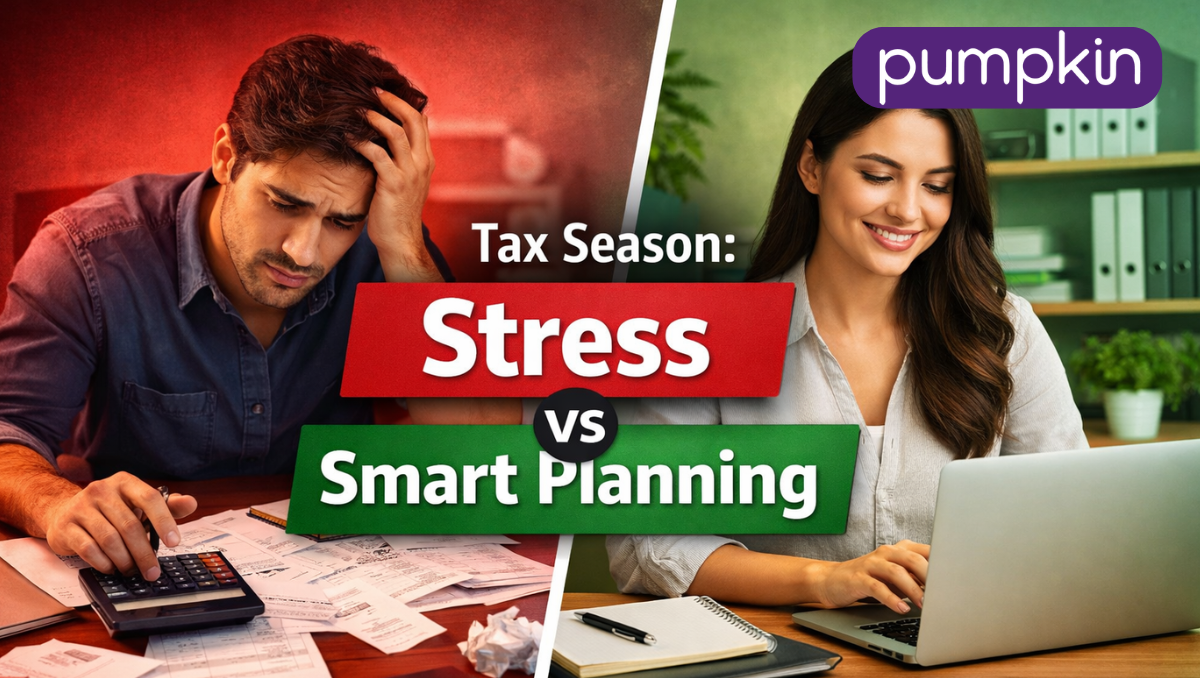
Tax planning in 2026 has evolved beyond simply filing returns before the deadline. With increasing financial complexity, digital reporting, and stricter compliance requirements, individuals and businesses now need a proactive and strategic approach to managing taxes.
Instead of treating taxes as a once-a-year activity, modern taxpayers are adopting year-round tax planning to optimize savings, reduce liabilities, and stay compliant.
🔍 What is Smart Tax Planning?
Smart tax planning is the process of organizing your finances throughout the year to legally minimize your tax liability.
It involves:
- Identifying eligible deductions and exemptions
- Making tax-saving investments
- Managing income and expenses efficiently
- Ensuring compliance with current tax laws
In simple terms: It’s not about avoiding taxes, but about paying only what is necessary—nothing more.
❗ Why Traditional Tax Filing is No Longer Enough
Many taxpayers still follow a reactive approach, focusing only on filing returns at the last moment. This often leads to missed opportunities and higher tax payments.
Common challenges include:
- Last-minute document collection
- Lack of awareness about deductions
- Errors in filing returns
- Increased stress during deadlines
This outdated approach can result in financial inefficiencies and unnecessary tax burdens.
💡 Benefits of Year-Round Tax Planning
1. Better Financial Control
Planning throughout the year helps you track income, expenses, and investments effectively.
2. Maximum Tax Savings
You can take advantage of all available deductions and exemptions.
3. Reduced Stress
No last-minute rush or confusion during tax season.
4. Improved Compliance
Staying updated with tax regulations helps avoid penalties.
🤖 The Role of Technology in Tax Planning
With advancements in technology, tax planning has become more efficient and accurate.
Modern solutions now offer:
- Automated financial tracking
- Real-time insights into tax liabilities
- Data-driven recommendations
- Error-free filing processes
These tools help individuals and businesses make informed financial decisions.
🧠 How AI is Transforming Tax Planning
Artificial Intelligence (AI) is playing a key role in reshaping tax management.
Key advantages of AI in tax planning:
- Analyzes large financial data quickly
- Identifies tax-saving opportunities
- Reduces manual errors
- Provides personalized recommendations
AI enables a shift from reactive filing to proactive planning, making tax management smarter and more efficient.
🏢 Who Should Focus on Smart Tax Planning?
👨💻 Freelancers and Consultants
They often deal with variable income and multiple expense categories.
🏢 Small Business Owners
They need structured planning to manage profits, expenses, and compliance.
💼 Salaried Individuals
They can benefit from better investment planning and deductions.
📊 Key Strategies for Effective Tax Planning in 2026
- Start planning at the beginning of the financial year
- Maintain proper records of income and expenses
- Invest in tax-saving instruments
- Review financial goals periodically
- Stay updated with the latest tax regulations
These strategies help create a well-structured and efficient tax plan.
❓ Frequently Asked Questions (FAQs)
What is the best way to save tax in 2026?
The best way to save tax in 2026 is to follow a year-round tax planning approach, ensuring all deductions and exemptions are utilized effectively.
Is tax planning legal?
Yes, tax planning is completely legal. It focuses on using approved methods and provisions to reduce tax liability.
When should I start tax planning?
Tax planning should ideally begin at the start of the financial year to maximize benefits.
Can technology help in tax planning?
Yes, modern tools and AI-driven platforms make tax planning more accurate, efficient, and stress-free.
📈 Why Smart Tax Planning Matters More Than Ever
With evolving tax systems and increased financial awareness, taxpayers are becoming more proactive. Smart tax planning is no longer optional—it is essential for:
- Financial growth
- Risk reduction
- Long-term wealth management
🎯 Conclusion
Tax planning in 2026 is about making informed financial decisions throughout the year rather than reacting at the last minute. By adopting a structured approach and leveraging modern tools, individuals and businesses can reduce stress, improve compliance, and optimize their tax savings.